
The Benefits of Combining Home Automation with Energy Efficiency sets the stage for this enthralling narrative, offering readers a glimpse into a story that is rich in detail with casual formal language style and brimming with originality from the outset.
In the following paragraphs, we will delve into the fascinating world where home automation meets energy efficiency, exploring the numerous advantages and possibilities that arise from this innovative integration.
Benefits of Home Automation
Home automation systems offer a wide range of benefits to homeowners, making daily tasks more convenient and efficient. These systems utilize technology to control various devices and appliances in the home, enhancing comfort and security.
How Home Automation Systems Work
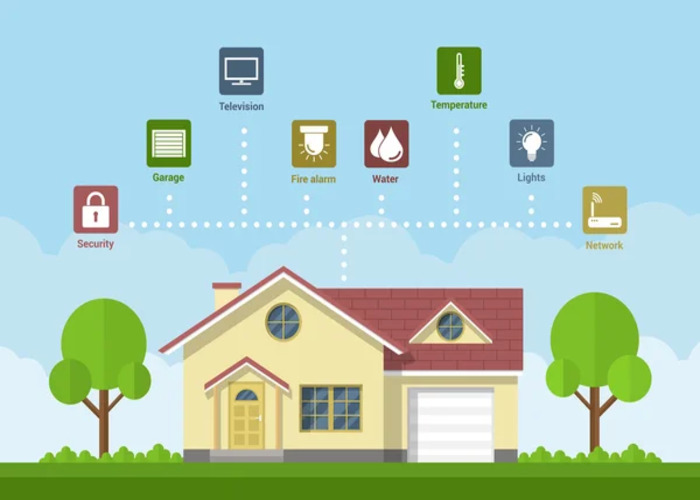
Home automation systems consist of interconnected devices that communicate with each other through a central hub. This hub allows users to control and automate various functions within their home, such as lighting, heating, cooling, security systems, and entertainment systems.
Key Features of Home Automation Technology
- Remote Access: Homeowners can control their home devices from anywhere using a smartphone or tablet, offering convenience and flexibility.
- Energy Efficiency: Home automation systems can help reduce energy consumption by optimizing the use of appliances and devices based on user preferences and schedules.
- Security: Integrated security features such as smart locks, cameras, and motion sensors enhance home safety and provide peace of mind.
- Customization: Users can personalize their home automation settings to suit their lifestyle and preferences, creating a tailored smart home experience.
Convenience of Controlling Home Devices Remotely
One of the most significant advantages of home automation is the ability to control devices remotely. Whether you're at work, on vacation, or simply relaxing in another room, you can easily adjust lighting, temperature, and security settings with the touch of a button on your smartphone.
This convenience enhances comfort and allows for greater flexibility in managing your home environment.
Benefits of Energy Efficiency
Energy efficiency is crucial in households as it not only helps reduce energy consumption but also contributes to a more sustainable environment. By using energy-efficient devices, homeowners can lower their utility bills significantly while also decreasing their carbon footprint.
Energy-Efficient Appliances
- LED Light Bulbs: LED bulbs use up to 80% less energy than traditional incandescent bulbs, lasting much longer and saving homeowners money on replacement costs.
- Energy Star Certified Appliances: Energy Star appliances meet strict energy efficiency guidelines set by the EPA, reducing energy usage and lowering utility bills.
- Smart Thermostats: Smart thermostats can learn your schedule and adjust the temperature accordingly, optimizing energy usage and saving money on heating and cooling costs.
Integration of Home Automation and Energy Efficiency
Home automation and energy efficiency can work hand in hand to create a smart home that not only makes life more convenient but also helps reduce energy consumption and lower utility costs. By integrating the two, homeowners can enjoy a range of benefits that contribute to a more sustainable and eco-friendly lifestyle.
Smart Thermostats for Optimized Energy Usage
Smart thermostats are a key component of home automation when it comes to energy efficiency. These devices can learn your heating and cooling preferences, adjust temperatures based on your schedule, and even detect when you're away to reduce energy usage.
By optimizing heating and cooling patterns, smart thermostats can help homeowners save on energy bills while maintaining a comfortable indoor environment.
Impact of Automated Lighting on Energy Conservation
Automated lighting systems can also play a significant role in energy conservation within a smart home. By using motion sensors, timers, or remote controls, homeowners can ensure that lights are only used when needed, reducing unnecessary energy consumption. Additionally, the ability to dim or adjust lighting levels can further optimize energy usage and create a more energy-efficient living space.
Environmental Benefits
Home automation integrated with energy efficiency not only benefits homeowners but also contributes to overall sustainability. By reducing energy consumption through smart technologies, the carbon footprint of households can be significantly lowered, leading to a positive impact on the environment.
Resource Conservation through Smart Devices
Smart devices such as thermostats, lighting controls, and energy-efficient appliances play a crucial role in conserving resources. These devices optimize energy usage based on real-time data and user preferences, ensuring that only the necessary amount of energy is consumed. For example, smart thermostats adjust temperature settings automatically to minimize energy waste, while smart lighting systems dim or turn off lights when rooms are unoccupied.
This level of automation helps in reducing unnecessary energy consumption and ultimately contributes to a greener environment.
Outcome Summary
As we conclude our discussion on The Benefits of Combining Home Automation with Energy Efficiency, it becomes evident that the harmony between these two technologies not only enhances convenience and comfort in our daily lives but also contributes significantly to a more sustainable and eco-friendly future.
Essential FAQs
How can home automation systems improve energy efficiency in households?
Home automation systems optimize energy usage by allowing users to control devices remotely, adjust settings based on occupancy, and schedule energy-consuming tasks efficiently.
What are some examples of energy-efficient appliances that can help reduce utility bills?
Energy-efficient appliances like smart thermostats, LED lighting, and Energy Star-rated refrigerators can greatly reduce energy consumption and lower utility costs in households.
How do smart thermostats contribute to energy efficiency in a smart home?
Smart thermostats can learn user preferences, adjust temperature settings based on occupancy patterns, and provide energy-saving recommendations, resulting in reduced energy consumption and lower heating/cooling costs.