
Exploring the realm of smart security systems for homes worldwide, this article delves into the key features, benefits, and importance of these cutting-edge technologies. From advanced cameras to seamless integration with smart home ecosystems, this overview sets the stage for an enlightening discussion on safeguarding homes in the digital age.
Overview of Top Smart Security Systems
Smart security systems have become essential for homeowners globally, offering advanced features to protect properties and provide peace of mind. These systems are equipped with cutting-edge technology that enhances security measures and ensures a high level of protection.
Key Features of Top Smart Security Systems
- 24/7 Monitoring: Smart security systems offer round-the-clock monitoring of your home, alerting you to any suspicious activity or breaches.
- Mobile Access: With mobile apps, homeowners can remotely access their security system, view live camera feeds, and receive instant alerts on their smartphones.
- Smart Sensors: These systems come with smart sensors that detect motion, smoke, carbon monoxide, and even water leaks, providing comprehensive protection.
- Integration with Smart Home Devices: Many top smart security systems can be integrated with other smart home devices, such as smart locks, lights, and thermostats, for a seamless connected home experience.
- Cloud Storage: Video footage and data collected by the security system are securely stored in the cloud, ensuring easy access and retrieval when needed.
Importance of Smart Security Systems in Today's Homes
Due to the rise in property crimes and security threats, smart security systems have become a crucial investment for homeowners. These systems not only provide protection against intruders but also offer monitoring for environmental hazards and emergencies, ensuring the safety of residents and valuable assets.
Comparison of Features
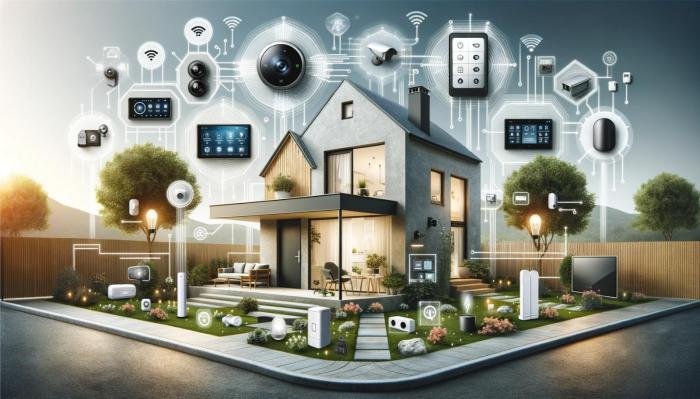
When it comes to smart security systems, each top system offers a unique set of features to cater to different security needs. Let's take a closer look at the key features and technologies used in each system, as well as how they address security concerns in various regions.
System A
- High-definition cameras for clear video surveillance
- Motion sensors to detect any unusual activity
- Smart alarms for immediate alerts
System B
- 360-degree cameras for comprehensive coverage
- Temperature and humidity sensors for environmental monitoring
- Integration with smart locks for enhanced access control
System C
- Facial recognition technology for advanced security
- Glass break sensors for detecting forced entry
- Integration with smart lighting systems for deterrence
Regional Security Concerns
Each system takes into account the unique security concerns of different regions. For example, System A may focus on providing robust outdoor surveillance in areas prone to theft or vandalism. System B, on the other hand, could be tailored to address fire risks in regions with high wildfire incidences.
System C might prioritize privacy protection in regions where identity theft is a prevalent issue.
Installation and Setup
When it comes to installing and setting up smart security systems in your home, it's essential to follow the specific guidelines provided by each manufacturer to ensure optimal performance and security. Proper installation and setup can make a significant difference in how effectively these systems function in protecting your home and loved ones.
Installation Process for Each Smart Security System
- For System A: The installation process for System A typically involves placing sensors around your home, connecting the central hub to your Wi-Fi network, and downloading the corresponding app to control the system remotely.
- For System B: System B may require professional installation, where technicians will set up cameras, alarms, and other components to ensure seamless integration with your home network.
- For System C: System C offers a DIY installation option, allowing homeowners to easily mount cameras, door sensors, and other devices themselves with step-by-step instructions.
Tips for Setting Up Smart Security Systems Effectively
- Read the installation manual carefully before starting to ensure you understand the process thoroughly.
- Test the system after installation to make sure all components are working correctly and communicating with each other.
- Position cameras and sensors strategically to cover key entry points and vulnerable areas in your home.
- Regularly update the system's firmware to ensure it is protected against the latest security threats.
Additional Equipment or Services Required for Installation
- Some smart security systems may require additional equipment such as a smart doorbell, smart locks, or a subscription to a monitoring service for full functionality.
- Professional installation services may be available for certain systems, which can ensure proper setup and integration with your home's existing infrastructure.
Integration with Smart Home Ecosystem
Smart security systems are designed to seamlessly integrate with other smart home devices, creating a cohesive ecosystem that enhances the overall functionality and convenience of the home. By connecting to various smart devices, these security systems can provide a more comprehensive and efficient way to monitor and protect your home.
Benefits of Integration
Integrating your smart security system with other smart home devices offers several benefits:
- Enhanced Automation: By connecting your security system to devices such as smart lights, locks, and thermostats, you can create automated routines that enhance security and convenience.
- Increased Control: Users can easily control their security systems through voice commands or mobile apps, allowing for quick access and monitoring from anywhere.
- Customization: Integration with other smart devices allows users to customize their security settings based on their preferences and lifestyle.
Examples of Control
Users can control their smart security systems through various methods:
- Voice Commands: With voice assistants like Alexa or Google Assistant, users can arm/disarm their security system, check camera feeds, or receive status updates through simple voice commands.
- Mobile Apps: Most smart security systems come with dedicated mobile apps that allow users to monitor and control their system remotely. Users can receive real-time alerts, view camera feeds, and adjust settings on the go.
Data Privacy and Security
In the era of smart security systems, data privacy and security are paramount for users to feel safe and protected. These systems handle sensitive information about our homes and daily routines, making it crucial to ensure that this data is kept secure from any potential threats.
Importance of Data Privacy
- Smart security systems collect data on our movements, routines, and vulnerabilities within our homes.
- Unauthorized access to this data could lead to breaches of privacy, home invasions, or even identity theft.
- Protecting this data is essential to maintaining the trust of users and ensuring the effectiveness of these systems.
Data Security Measures
- Encryption: Top smart security systems use advanced encryption techniques to secure data transmissions and storage.
- Two-Factor Authentication: Implementing additional layers of security, such as biometric verification or unique codes, adds an extra barrier against unauthorized access.
- Regular Security Updates: Continuous updates and patches help to address any vulnerabilities and keep the system secure against emerging threats.
- Secure Cloud Storage: Storing data in secure cloud servers with robust security measures protects it from physical theft or damage.
Last Recap
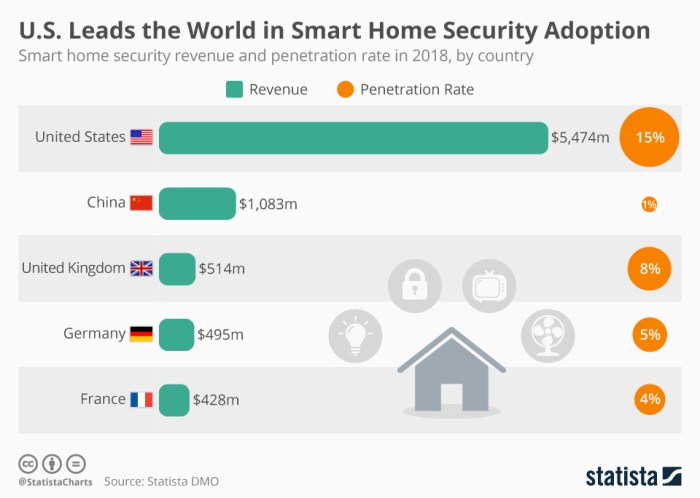
In conclusion, the world of smart security systems offers a myriad of options to protect homes on a global scale. Whether it's ensuring data privacy or enhancing overall security, these systems are revolutionizing the way we view home protection. Stay informed, stay safe.
Clarifying Questions
How do smart security systems differ from traditional security systems?
Smart security systems utilize advanced technology like cameras, sensors, and mobile apps to offer real-time monitoring and remote access, providing a more integrated and convenient security solution.
Are smart security systems prone to hacking?
While no system is entirely hack-proof, top smart security systems implement robust data encryption and security measures to safeguard user information and prevent unauthorized access.
Can smart security systems be customized based on specific security concerns?
Yes, many smart security systems offer customizable features and settings to address unique security needs based on different regions or individual preferences.