
As you delve into the world of siding replacement, hidden costs lurk in the shadows, waiting to surprise homeowners. This article sheds light on the often overlooked expenses that can arise during this process, offering valuable insights and tips to navigate through them.
Exploring the factors influencing these hidden costs and the importance of proper installation, this guide equips you with the knowledge to make informed decisions when replacing siding.
Hidden Costs of Replacing Siding
When it comes to replacing siding on your home, there are several hidden costs that homeowners should be aware of. These costs are often overlooked but can significantly impact the overall budget for the project.
Pre-Installation Costs
Before the actual siding replacement begins, there are preparatory costs that can add up quickly. This includes expenses for removing old siding, repairing any underlying damage, and disposal fees for the old materials.
Material Upgrades
While basic siding materials may be included in the initial quote, any upgrades to higher quality materials can quickly escalate costs. This could include premium siding options, additional insulation, or special finishes.
Unforeseen Structural Issues
During the siding replacement process, contractors may uncover unexpected structural issues such as rotting wood, mold, or insect damage. Addressing these issues can lead to additional expenses that were not accounted for in the original budget.
Permit Costs
Many homeowners forget to factor in the cost of obtaining permits for the siding replacement project. Depending on local regulations, permit fees can vary and should be included in the overall budget.
Factors Influencing Hidden Costs
When considering the total expenses involved in replacing siding, several factors can significantly impact the overall cost. Understanding these influences can help homeowners better prepare for potential hidden costs.
Type of Siding Chosen
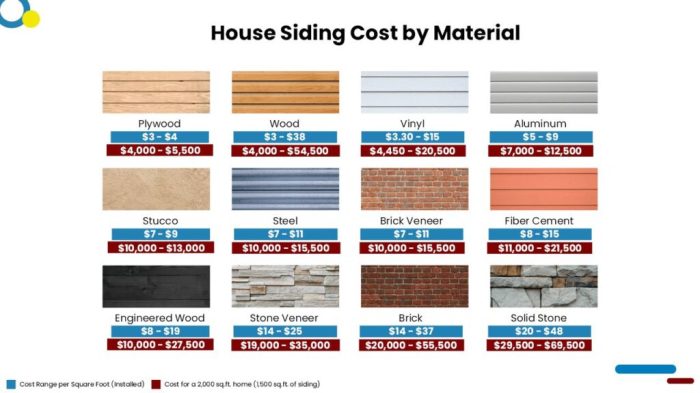
The type of siding selected for a replacement project can have a substantial effect on the total cost. Different materials come at varying price points, with some requiring more labor-intensive installation processes. For example, high-end materials like natural wood siding can be more costly upfront but may require less maintenance over time compared to vinyl siding.
Size and Layout of the Property
The size and layout of the property play a crucial role in determining hidden costs. Larger homes will naturally require more materials, resulting in higher expenses. Additionally, complex layouts or architectural features can make the installation process more challenging, potentially leading to increased labor costs.
Existing Damage or Issues
Any existing damage or issues with the current siding can also contribute to hidden costs during the replacement project. For instance, if there is underlying water damage or rot that needs to be addressed before new siding can be installed, this additional work can escalate the overall expenses.
It is essential to thoroughly inspect the existing siding and address any underlying issues to prevent costly surprises during the renovation process.
Importance of Proper Installation
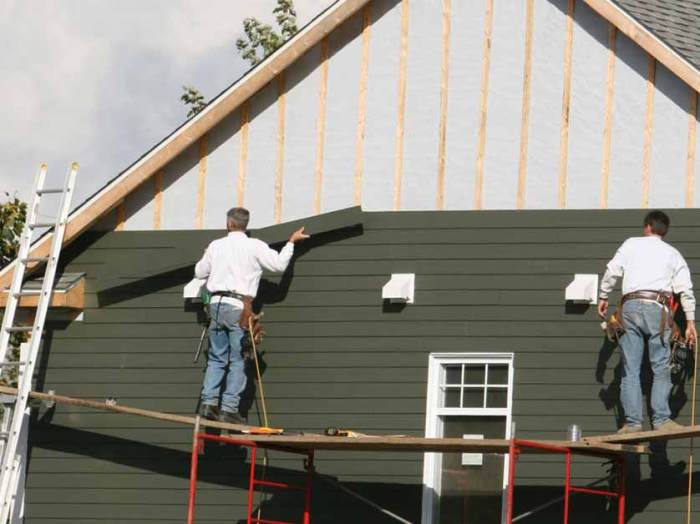
Proper installation of siding plays a crucial role in avoiding hidden costs and ensuring the longevity of your investment. A quality installation job can help prevent issues that may lead to unexpected expenses down the line.
Avoiding Water Damage
Improperly installed siding can allow water to seep behind the panels, causing damage to the underlying structure of your home. This can result in rot, mold growth, and even structural instability. Repairing water damage can be a costly and time-consuming process, making it essential to invest in a proper installation to prevent these issues.
- Properly installed flashing and sealing around windows, doors, and corners can help prevent water infiltration.
- Ensuring that siding panels are correctly aligned and secured can prevent gaps where water can enter.
Preventing Energy Loss
Poorly installed siding can also lead to energy inefficiency in your home
- Properly installed insulation and vapor barriers can help improve energy efficiency and reduce heating and cooling costs.
- Attention to detail during installation, such as sealing all seams and joints, can help prevent air leaks.
Long-Term Financial Benefits
Investing in quality installation may require a higher upfront cost, but it can ultimately save you money in the long run. By avoiding the need for frequent repairs or replacements due to improper installation, you can enjoy a more durable and efficient siding system that will stand the test of time.
Quality installation is a worthwhile investment that can help you avoid costly repairs and replacements in the future.
Impact of Material Quality
When it comes to replacing siding, the quality of materials used can significantly impact the overall cost of the project. Low-quality materials may seem cost-effective initially, but they can lead to hidden costs in the long run. On the other hand, high-quality materials may come with a higher price tag upfront but can save you money on maintenance and repairs over time.
Difference Between Low-Quality and High-Quality Siding
- Low-Quality Siding:
- Prone to damage from weather elements
- May require frequent repairs or replacements
- Lacks durability and longevity
- Can result in higher maintenance costs
- High-Quality Siding:
- Resistant to weather damage
- Durable with a longer lifespan
- Lower maintenance costs over time
- Enhances energy efficiency of the home
Tips for Choosing Cost-Effective Materials
- Research different siding materials and their pros and cons
- Consider the climate and weather conditions in your area
- Look for materials with good warranties for peace of mind
- Consult with a professional to determine the best quality within your budget
- Opt for materials that offer a good balance between cost and durability
Final Thoughts
In conclusion, being aware of the hidden costs associated with siding replacement is crucial to avoid financial surprises. By understanding the impact of material quality and the significance of proper installation, homeowners can make wise choices that benefit them in the long run.
FAQ
What are some common hidden costs when replacing siding?
Common hidden costs include disposal fees for old materials, unexpected structural repairs, and additional labor costs for unforeseen issues.
How can the type of siding chosen impact overall expenses?
The type of siding chosen can affect costs due to variations in material prices, installation complexity, and long-term maintenance requirements.
Why is proper installation important in avoiding hidden costs?
Proper installation ensures that the siding performs well over time, reducing the likelihood of repairs and replacements that can incur additional expenses.
What tips can help in choosing cost-effective siding materials without compromising quality?
Researching different material options, considering durability and maintenance needs, and consulting with professionals can help in selecting cost-effective siding materials.