
As we delve into The Future of Smart Roofing Technology, we uncover a realm where roofs are no longer just overhead coverings but dynamic, energy-efficient entities. From cutting-edge IoT integration to sustainability benefits, this topic promises a fascinating journey into the world of innovative roofing technology.
Importance of Smart Roofing Technology
Smart roofing technology plays a crucial role in enhancing the overall efficiency and sustainability of buildings. By incorporating intelligent features into roofing systems, various benefits can be achieved.
Enhancing Energy Efficiency
Smart roofing technology can greatly improve energy efficiency by utilizing features such as:
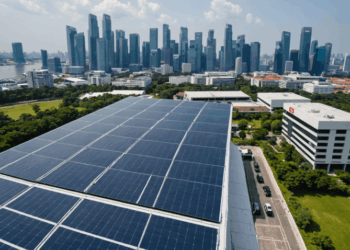
- Solar panels to harness renewable energy and reduce reliance on traditional power sources.
- Reflective coatings to minimize heat absorption and lower cooling costs.
- Integrated sensors to optimize ventilation and insulation, reducing energy consumption.
Potential Cost Savings
Implementing smart roofing technology can lead to significant cost savings in the long run:
- Lower energy bills due to reduced consumption and improved efficiency.
- Extended roof lifespan through real-time monitoring and predictive maintenance.
- Enhanced property value and increased market appeal with sustainable features.
Current Trends in Smart Roofing
Smart roofing technology is continuously evolving, with new advancements shaping the way roofs are designed and maintained. One of the key trends driving innovation in the roofing industry is the integration of IoT (Internet of Things) technology, which is revolutionizing the way roofs are monitored and managed.
Advancements in Smart Roofing Technology
Smart roofing systems are now equipped with sensors that can detect changes in the environment, such as temperature, humidity, and even potential damage. These sensors are connected to a centralized system that utilizes data analytics to provide real-time insights into the condition of the roof.
By leveraging this technology, building owners and facility managers can proactively address issues before they escalate, saving time and money in the long run.
IoT Revolutionizing the Roofing Industry
The integration of IoT technology in smart roofing systems allows for remote monitoring and control of key roof parameters. This connectivity enables predictive maintenance, where issues can be identified and resolved before they lead to costly repairs. IoT also facilitates energy efficiency by optimizing the use of heating and cooling systems based on real-time data collected from the roof sensors.
Sensors and Data Analytics in Smart Roofing Systems
Sensors play a crucial role in smart roofing technology by collecting data on various environmental factors that can impact the roof's performance. This data is then analyzed using advanced analytics tools to generate actionable insights for decision-making. By combining sensor data with predictive analytics, building owners can enhance the longevity of their roofs and improve overall building performance.
Benefits of Smart Roofing Technology
Smart roofing technology offers a wide range of benefits that go beyond just protecting a building from the elements. Let's explore some of the key advantages of incorporating smart roofs into construction projects.
Sustainability
Smart roofing technology plays a significant role in promoting sustainability by reducing energy consumption and lowering carbon emissions. By utilizing features such as solar panels, green roofing materials, and smart ventilation systems, smart roofs help buildings operate more efficiently and reduce their environmental impact.
Improved Building Maintenance and Longevity
Smart roofs are designed to be more durable and require less maintenance compared to traditional roofing systems. By incorporating sensors and monitoring systems, smart roofs can detect issues such as leaks or damage early on, allowing for timely repairs and prolonging the lifespan of the roof.
This proactive approach to maintenance not only saves costs in the long run but also ensures the overall integrity of the building structure.
Enhanced Indoor Comfort and Air Quality
Smart roofing technology can positively impact indoor comfort by regulating temperature and humidity levels within the building. Features like reflective coatings, insulation, and smart ventilation systems help maintain a comfortable indoor environment year-round. Additionally, smart roofs can contribute to better air quality by reducing the presence of pollutants and allergens, creating a healthier living or working space for occupants.
Implementation of Smart Roofing Systems
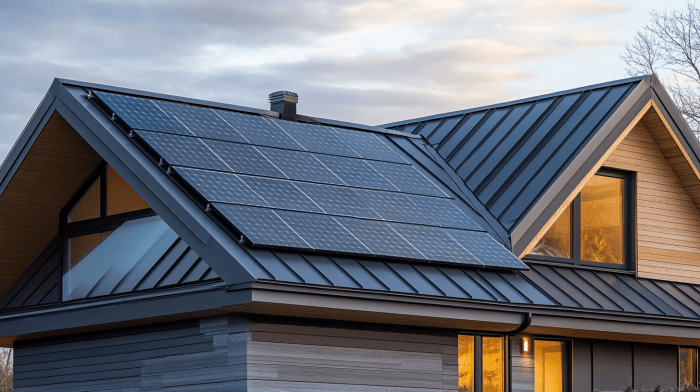
Installing smart roofing technology involves several key steps to ensure its effectiveness and efficiency
Key Steps in Installing Smart Roofing Technology
- Assessment of Roof Condition: Before implementing smart roofing technology, a thorough assessment of the existing roof condition is necessary to identify any repairs or upgrades needed.
- Selection of Materials: Choosing the right materials that are compatible with smart technology is essential for the longevity and performance of the system.
- Integration of Sensors and Controls: Installing sensors and control devices to monitor and regulate the roof's temperature, moisture levels, and overall condition is a critical step in smart roofing implementation.
- Testing and Calibration: Once the system is installed, rigorous testing and calibration are required to ensure its functionality and accuracy in data collection and analysis.
Compatibility with Existing Infrastructure
- Smart roofing technology is designed to be adaptable and compatible with existing infrastructure, making it easier to integrate into both new and old buildings.
- Professionals in the field have the expertise to assess the compatibility of smart roofing systems with different types of roofs and structures, ensuring a seamless implementation process.
Role of Professionals in Designing and Implementing Smart Roofing Systems
- Architects and engineers play a crucial role in designing smart roofing systems that meet the specific needs and requirements of a building while maximizing energy efficiency and sustainability.
- Roofing contractors with experience in smart technology are essential for the proper installation and maintenance of smart roofing systems, ensuring their long-term performance and functionality.
- Collaboration between professionals from various disciplines is key to the successful implementation of smart roofing technology, combining expertise in roofing, construction, and technology integration.
Future Innovations and Possibilities
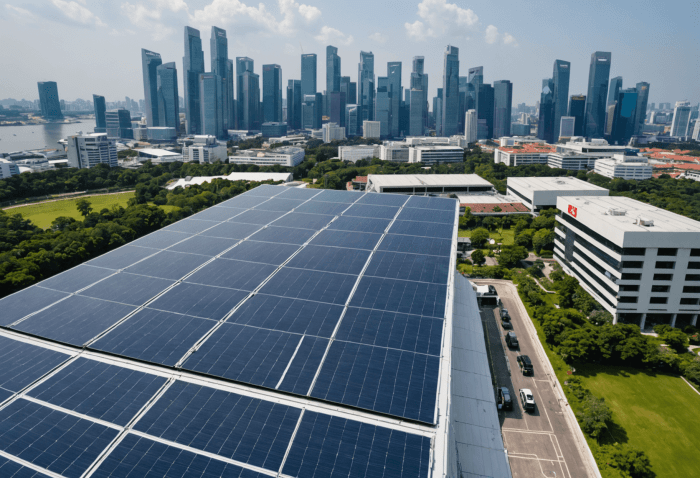
Smart roofing technology has come a long way, but the potential for future innovations and possibilities is vast. One of the key drivers of advancement in smart roofing technology is the integration of Artificial Intelligence (AI) to enhance capabilities and efficiency.
Role of AI in Advancing Smart Roof Capabilities
AI plays a crucial role in advancing smart roofing technology by enabling predictive maintenance, real-time monitoring, and autonomous decision-making. Through machine learning algorithms, AI can analyze data collected by sensors embedded in the roof to detect issues, predict maintenance needs, and optimize energy efficiency.
- AI-powered predictive maintenance: By analyzing historical data and patterns, AI can predict potential roof failures or maintenance needs before they occur, allowing for proactive interventions and cost savings.
- Real-time monitoring: AI algorithms can continuously monitor the condition of the roof, detecting changes in real-time and alerting building owners or maintenance teams to potential issues.
- Autonomous decision-making: AI can automate decision-making processes, such as adjusting ventilation systems or activating weatherproofing mechanisms, based on real-time data and environmental conditions.
AI-driven smart roofing systems have the potential to revolutionize the way buildings are maintained and operated, enhancing safety, efficiency, and sustainability.
Predicted Evolution of Smart Roofing Technology
In the coming years, smart roofing technology is expected to evolve in various ways, including improved energy efficiency, enhanced durability, and integration with other smart building systems.
- Energy-efficient materials: Future smart roofs may incorporate advanced materials that can generate electricity from sunlight, store energy, or regulate temperature more effectively, reducing energy consumption and costs.
- Enhanced durability and resilience: Smart roofing systems are likely to become more durable and resilient to withstand extreme weather events, prolonging the lifespan of the roof and reducing maintenance needs.
- Integration with IoT devices: Smart roofs may be integrated with other Internet of Things (IoT) devices and systems within buildings, creating a seamless network of interconnected smart technologies for optimal building performance.
Ultimate Conclusion
In conclusion, The Future of Smart Roofing Technology holds immense promise for revolutionizing the way we perceive roofs. With advancements in AI and sustainability, the horizon is bright for smart roofing systems. Stay tuned for the exciting developments that lie ahead in this ever-evolving field.
Answers to Common Questions
How can smart roofing technology enhance energy efficiency?
Smart roofing technology can optimize energy usage by regulating temperature control, utilizing solar panels, and integrating smart sensors for efficient energy consumption.
What are the key steps involved in installing smart roofing technology?
The installation process typically involves assessing the roof structure, integrating sensors or solar panels, connecting to IoT platforms, and testing the system for optimal functionality.
What role does AI play in advancing smart roof capabilities?
AI helps in predictive maintenance, energy optimization, and data analysis for smart roofing systems, paving the way for more efficient and proactive roof management.